Deputy President Prof. Kithure Kindiki has found himself at the centre of fresh political debate after President William Ruto made sweeping changes within the Executive, stripping him of one of the most influential administrative responsibilities previously under his office.
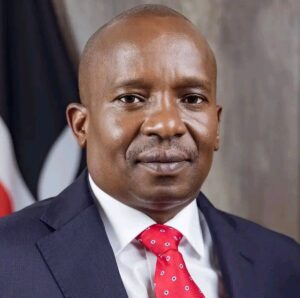

In a major government restructuring announced by Chief of Staff and Head of Public Service Felix Koskei, Kindiki will no longer oversee the Intergovernmental Relations Technical Committee (IGRTC), a powerful institution responsible for coordinating relations between the national and county governments. The committee has played a critical role in resolving disputes between the two levels of government, facilitating the transfer of devolved functions and ensuring the smooth implementation of Kenya’s devolution agenda.
The move marks one of the most significant changes affecting Kindiki since he became Deputy President. While he continues to perform his constitutional duties and other assignments delegated by President Ruto, the loss of the IGRTC oversight role has sparked widespread political speculation about his influence within the Kenya Kwanza administration.
Government officials insist that the restructuring is purely administrative and is aimed at improving efficiency, strengthening accountability and eliminating overlapping responsibilities among state institutions. Felix Koskei has maintained that reducing duplication of roles will enhance service delivery and restore public confidence in government operations. State House has also emphasised that the reforms are not intended to weaken any office but rather to create a more coordinated and effective public service.
Despite those assurances, political analysts believe the changes could reshape the balance of power within government. Many are closely watching to see whether the latest development signals a shift in the Deputy President’s standing as the administration prepares for the next phase of its governance agenda.
The restructuring comes at a time when Kindiki is already facing mounting political pressure over his future ahead of the 2027 General Election. Questions continue to emerge over whether President Ruto will retain him as his running mate or opt for a different political strategy as alliances continue to evolve.
Since taking office, Kindiki has frequently toured the Mount Kenya region, commissioning development projects ranging from road construction and affordable housing to agricultural programmes. His allies argue that these visits have reassured residents that the region continues to enjoy a strong voice within government. However, political competition in the region remains intense, with former Deputy President Rigathi Gachagua also seeking to consolidate support ahead of the next election.
Another challenge has emerged from Kenya Kwanza’s growing cooperation with ODM. Several ODM leaders have publicly argued that, should the partnership continue into the 2027 elections, the deputy presidency should be allocated to their party. Among the names that have been mentioned as possible running mates for President Ruto are Homa Bay Governor Gladys Wanga, Mining Cabinet Secretary Hassan Joho and former Cabinet Secretary Wycliffe Oparanya.
Political observers say ODM’s demands have placed Kindiki in a delicate position. President Ruto may eventually have to decide whether to retain his current deputy or use the running mate position to cement a broader political alliance capable of strengthening his re-election bid.
As political realignments gather momentum, the coming months are expected to reveal whether Kindiki can maintain his influence within government or whether the latest Executive changes are the beginning of a much larger political reshuffle ahead of the 2027 General Election.