Stomach cancer, also known as gastric cancer, is one of the leading causes of cancer-related deaths worldwide. Although not every case can be prevented, healthy lifestyle choices and early medical care can significantly reduce your risk. Many cases develop slowly over several years, making prevention and early detection especially important.
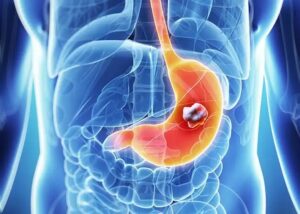

Here are 10 practical steps that can help lower your chances of developing stomach cancer.
1. Eat a Healthy, Balanced Diet
A diet rich in fresh fruits, vegetables, whole grains, and legumes provides essential vitamins, minerals, and antioxidants that help protect your body’s cells from damage. Try to include colourful fruits and vegetables in your daily meals while limiting highly processed foods.
2. Reduce Processed and Smoked Foods
Frequently eating smoked meats, processed meats such as sausages and bacon, and foods preserved with large amounts of salt may increase the risk of stomach cancer. Replace these foods with fresh fish, lean meat, beans, and freshly prepared meals whenever possible.
3. Limit Salt Intake
Excessive salt can damage the lining of the stomach, creating conditions that may increase the risk of cancer over time. Taste your food before adding extra salt, and avoid consuming salty snacks regularly.
4. Avoid Smoking
Smoking exposes the body to harmful chemicals that can damage the stomach lining and increase the risk of several cancers, including stomach cancer. Quitting smoking benefits your overall health and lowers your cancer risk.
5. Limit Alcohol Consumption
Heavy alcohol use can irritate the digestive system and contribute to various health problems. If you drink alcohol, do so in moderation or consider avoiding it altogether to support better stomach health.
6. Seek Treatment for Persistent Stomach Problems
Do not ignore symptoms such as ongoing stomach pain, persistent indigestion, unexplained weight loss, difficulty swallowing, vomiting, or blood in the stool. Early medical evaluation can identify conditions that require treatment before they become more serious.
7. Get Tested and Treated for Helicobacter pylori
A bacterial infection known as Helicobacter pylori (H. pylori) is a major risk factor for stomach cancer. If your healthcare provider suspects this infection, testing and treatment with appropriate medication can help reduce long-term complications.
8. Maintain a Healthy Weight and Stay Active
Regular physical activity and maintaining a healthy body weight contribute to better overall health and may reduce the risk of several cancers. Aim for regular exercise, even if it’s just brisk walking for at least 30 minutes on most days.
9. Practice Good Food Hygiene
Wash fruits and vegetables thoroughly, prepare food safely, and drink clean water. Good hygiene helps reduce exposure to infections that may affect the digestive system.
10. Go for Regular Medical Check-ups
If you have a family history of stomach cancer or chronic stomach conditions, regular medical check-ups are especially important. Early detection often improves treatment outcomes and can save lives.
Final Thoughts
While no method can completely eliminate the risk of stomach cancer, adopting healthy habits can make a meaningful difference. Eating nutritious foods, avoiding tobacco, limiting alcohol, treating stomach infections promptly, and paying attention to persistent digestive symptoms are all important steps toward protecting your health.
Remember that stomach cancer is often easier to treat when detected early. If you experience persistent or unusual stomach symptoms, seek advice from a qualified healthcare professional instead of self-medicating. Taking care of your digestive health today can contribute to a healthier future.