The political battle ahead of the 2027 General Election is already generating heated debate, with fresh questions emerging over President William Ruto’s chances of securing a second term at State House.
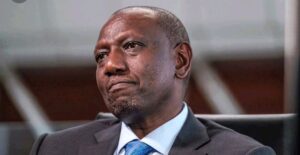

Although Ruto appears to enjoy considerable political backing from elected leaders in both the National Assembly and the Senate, questions remain about whether the support he commands among politicians reflects the mood of ordinary Kenyans.
With the cost of living, taxation, unemployment and the government’s performance likely to feature prominently in the next election campaign, political leaders are increasingly examining the possible alliances and candidates who could determine the outcome of the presidential race.
Homa Bay Town Member of Parliament Peter Kaluma has now added another interesting dimension to the debate after suggesting that one influential political figure could significantly alter Ruto’s political fortunes.
According to Kaluma, Oburu Odinga could emerge as a decisive player in determining whether the incumbent president secures another five-year term or faces a difficult battle to retain power.
The legislator suggested that Ruto could have a relatively easier path to re-election depending on the political direction taken by Oburu. However, he warned that the situation could become significantly different if the veteran politician decides to challenge the President directly.
Kaluma’s remarks have drawn attention to the political influence of the Odinga family, particularly in the Nyanza region, where the family has enjoyed considerable political support for decades.
Oburu, the elder brother of the late former Prime Minister Raila Odinga, is an influential political figure with a long history in Kenyan politics. His political decisions could therefore have implications beyond his immediate political constituency, especially as parties and influential leaders begin positioning themselves ahead of the 2027 elections.
Kaluma’s argument presents two possible political scenarios.
In the first scenario, Oburu could choose to support Ruto’s re-election campaign. Such an arrangement could potentially strengthen the President’s political position, particularly by influencing political support in areas where the Odinga family has traditionally enjoyed considerable influence.
However, the second scenario could present a much bigger challenge for the incumbent administration.
If Oburu decides to enter the presidential race himself, Kaluma believes Ruto could face a formidable opponent capable of complicating his journey towards another term in office.
Such a contest could reshape political alliances, attract new supporters and create uncertainty within the political camps already preparing for the next general election.
The remarks also highlight the importance of political endorsements and regional voting blocs in Kenya’s presidential elections. While parliamentary numbers can provide an administration with legislative support, winning a presidential election requires convincing millions of voters across the country.
Ruto, who won the 2022 presidential election against Raila Odinga, will be seeking another mandate in 2027. However, his administration will have to contend with political competition, public expectations and the changing attitudes of voters.
For now, Oburu Odinga’s political intentions remain a subject of speculation, and there is no certainty that he will seek the presidency.
Nevertheless, Kaluma’s comments have introduced an intriguing possibility into the unfolding 2027 political contest.
As the country gradually moves towards another general election, the question is whether Oburu will support Ruto, pursue his own presidential ambitions or back another political arrangement.
Whatever decision he eventually makes could become an important factor in shaping the political alliances and competition ahead of the 2027 General Election.


