




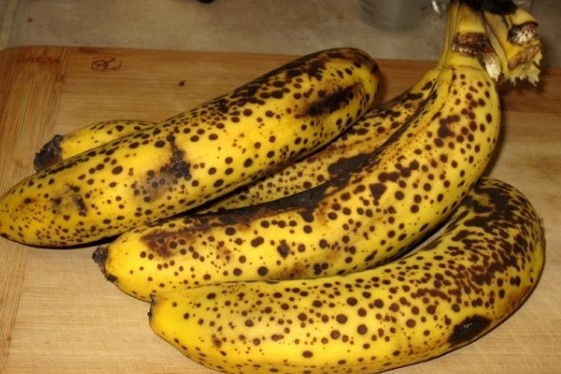
Bananas are among the most popular fruits in the world because they are affordable, nutritious, and easy to eat. However, many people become concerned when they notice black dots or dark spots appearing on the banana peel. Some assume the fruit has gone bad and quickly throw it away. In reality, black dots on bananas are often a normal part of the ripening process and can even indicate that the fruit is sweeter and easier to digest.

Here are some of the common reasons why bananas develop black dots.
Natural Ripening Process
The most common reason bananas develop black dots is natural ripening. Bananas release a gas called ethylene, which helps them mature after harvesting. As the fruit ripens, the green peel slowly changes to yellow, and eventually small brown or black dots begin to appear.
These spots show that the starch inside the banana is being converted into natural sugars. This is why ripe bananas taste sweeter than green ones. In many cases, bananas with black dots are perfectly safe to eat and may even be softer and more flavorful.
Exposure to Heat
High temperatures can also cause bananas to develop black spots faster. When bananas are stored in hot environments, the ripening process speeds up rapidly. The heat damages the banana peel, causing dark patches or dots to appear sooner than expected.
This is why bananas kept near windows, inside hot cars, or in warm kitchens may ripen very quickly. Refrigeration can slow down the process, although the peel may still darken while the fruit inside remains fresh.
Bruising and Physical Damage
Bananas are delicate fruits that bruise easily during transportation or handling. Dropping them, squeezing them too hard, or stacking heavy items on top can damage the cells inside the peel. Once damaged, the affected areas turn brown or black.
Bruising does not always mean the banana is rotten. Often, only the peel is affected while the inside remains edible. However, severe bruising can make the fruit spoil more quickly.
Overripening
When bananas stay too long after ripening, the black dots spread and become larger patches. At this stage, the fruit becomes very soft and extremely sweet. Overripe bananas may not look attractive, but they are still useful for making smoothies, banana bread, pancakes, and desserts.
However, if the banana develops a sour smell, mold, or leaking liquid, it may no longer be safe to eat.
Fungal Growth
Sometimes black spots may result from fungal infections that affect bananas during storage or transportation. Certain fungi attack the peel and create dark marks. This usually happens when bananas are stored in damp conditions or exposed to moisture for long periods.
If the inside of the banana appears discolored, smells unpleasant, or tastes strange, it is better to discard it.
Chemical Reactions in the Peel
As bananas age, enzymes inside the peel react with oxygen in the air. This process, known as oxidation, causes the peel to darken and form black spots. Similar reactions occur when apples turn brown after being cut.
Oxidation is completely natural and does not necessarily indicate spoilage.
Are Bananas With Black Dots Healthy?
Interestingly, bananas with black dots may offer certain health benefits. Ripe bananas are easier to digest and contain higher amounts of antioxidants. They also provide quick energy because the natural sugars are more available to the body.
Many people prefer slightly spotted bananas because they are sweeter and softer compared to firm green bananas.
Conclusion
Black dots on bananas are usually a normal sign of ripening and aging. Factors such as heat, bruising, oxidation, and natural sugar development all contribute to the appearance of these spots. In most cases, spotted bananas are still safe and healthy to eat unless they show signs of spoilage like mold or a bad smell. Instead of throwing them away immediately, they can still be enjoyed in many delicious ways