Safaricom has launched a nationwide electronic waste collection campaign, giving Kenyans a rare opportunity to get rid of old mobile phones, broken chargers, unused earphones, batteries and other small electronic gadgets that have been gathering dust in their homes.
The telecommunications giant is encouraging individuals, businesses and institutions across the country to surrender their unwanted electronic devices at any Safaricom retail shop by November 13, 2026.
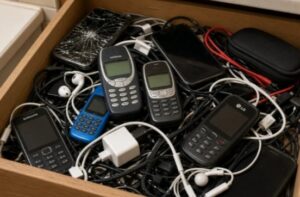
In notices shared on social media on Friday, November 6, Safaricom drew attention to a familiar situation in many Kenyan households: that forgotten drawer filled with old chargers, tangled cables, damaged earphones and outdated phones that nobody seems willing to throw away.
“Kila nyumba ina ile drawer ya chargers hazina kazi,” the company humorously observed, highlighting a problem many Kenyans can easily identify with.
Through the campaign, Safaricom is urging members of the public to give their unused electronic gadgets a second life by taking them to designated collection points at its retail outlets.
Interestingly, participants are not restricted to bringing a particular number of items. Individuals, companies and institutions can surrender as many eligible small electronic devices as they wish.
Why Safaricom Wants Kenyans to Surrender Old Phones
Behind the seemingly simple collection exercise is a broader environmental conservation campaign aimed at addressing the growing problem of electronic waste in Kenya.
Electronic waste, commonly known as e-waste, contains materials that can contaminate the environment when improperly disposed of. Batteries, circuit boards and other electronic components may contain hazardous substances that pose risks to soil, water and human health.
Safaricom says collecting these gadgets will make it possible to recover valuable materials, reduce environmental pollution and prevent discarded electronics from ending up in landfills.
“Through responsible e-waste collection, we can recover valuable materials, reduce environmental pollution and keep electronic waste out of landfills,” the company stated.
The collected devices will be transferred to licensed electronic waste handlers, including the Waste Electrical and Electronic Equipment (WEEE) Centre and Warmtech, for safe dismantling, processing and recycling.
The exercise also supports Safaricom’s broader commitment to achieving zero waste to landfill by promoting responsible disposal, reuse and recovery of materials.
Safaricom Has Collected More Than 1,000 Tonnes of Electronic Waste
Although the latest campaign has attracted attention because it directly targets ordinary households, Safaricom’s involvement in electronic waste management dates back several years.
The company began implementing e-waste collection programmes around 2012 through a partnership with the WEEE Centre.
As part of the arrangement, collection points were established at Safaricom retail shops and offices, allowing employees and members of the public to dispose of unwanted electronic equipment responsibly.
Over the years, the telecommunications company says it has collected more than 1,000 tonnes of electronic waste through its initiatives.
More recently, it has also partnered with Warmtech to manage network equipment and other electronic waste, focusing on recycling, resale and repurposing materials instead of sending them to landfills.
The latest nationwide campaign expands these efforts by targeting smaller gadgets commonly found in Kenyan homes but often overlooked during waste management exercises.
Will Kenyans Be Paid for Surrendering Their Old Phones?
One question that many Kenyans may have is whether Safaricom intends to pay people who surrender their old mobile phones and electronic gadgets.
However, the company has clarified that the exercise is strictly an environmental recycling initiative and not a phone buy-back, trade-in or upgrade programme.
This means participants should not expect cash payments, discounts, shopping vouchers or store credit, regardless of the age, condition or number of gadgets surrendered.
Kenyans with functional smartphones or other electronics that still have significant resale value may therefore consider selling them through commercial second-hand electronics dealers or exploring available trade-in programmes.
For those with broken chargers, outdated handsets, damaged earphones and batteries that have remained untouched for years, however, the collection campaign offers an opportunity to dispose of them responsibly.
With the November 13 deadline approaching, Safaricom is encouraging Kenyans to search through their drawers, cupboards and storage spaces, gather their unwanted electronic gadgets and take them to the nearest Safaricom retail shop.
What many households have treated as useless electronic clutter could ultimately become valuable recyclable material while helping protect the environment.