In recent years, a worrying trend has been reported in some hotels where people add paracetamol (also known as acetaminophen) to meat while cooking. This practice is often based on myths, misinformation, or attempts to solve cooking challenges cheaply. Although it may seem harmless to some, adding paracetamol to food is scientifically dangerous, medically unsafe, and strongly discouraged by health experts.
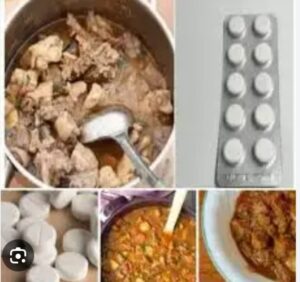
Why Some People Add Paracetamol to Meat
To tenderize tough meat
One of the most common reasons people add paracetamol to meat is the belief that it softens tough cuts quickly. Paracetamol tablets contain compounds that break down at high temperatures, and some individuals mistakenly think these chemicals help loosen the muscle fibers of meat, making it cook faster.
To save time and fuel
In places where charcoal, gas, or firewood is expensive, some individuals look for shortcuts to reduce cooking time. They believe that using tablets will soften meat faster, lowering the amount of fuel needed.
Influence from friends or social media
Myths spread quickly, especially on social networks, where some people share videos claiming paracetamol works like a tenderizer. Without scientific understanding, others imitate the practice.
Lack of awareness about health risks
Many people simply do not realize that paracetamol is a pharmaceutical drug designed for medical use — not a cooking ingredient. Because the tablet looks harmless, they assume it cannot cause harm when boiled.
What Actually Happens When Paracetamol Is Heated in Food
Paracetamol is safe only when taken in recommended doses and swallowed in its original form. However, once exposed to high temperatures, especially boiling, it undergoes chemical breakdown. The resulting compounds include substances such as p-aminophenol, which is toxic.
These chemicals can contaminate the meat and enter the body when eaten. This is not the same as taking a normal dose of paracetamol — the by-products formed during cooking have no medical purpose and cause direct harm.
Health Risks of Cooking Meat With Paracetamol
Liver damage
Paracetamol is already known to strain the liver when overdosed. The toxic by-products produced during heating can damage liver cells even faster and more severely.
Kidney damage
The kidneys filter waste from the bloodstream. Introducing harmful chemical residues forces the kidneys to work harder, raising the risk of kidney failure.
Gastrointestinal irritation
Chemicals produced by heating paracetamol can irritate the stomach lining, causing nausea, vomiting, or ulcers.
Poisoning risk
Toxic compounds created during cooking can accumulate in the bloodstream and cause symptoms of poisoning — dizziness, abdominal pain, sweating, and severe weakness.
No proven benefit
Despite the risks, paracetamol does not significantly tenderize meat. Traditional tenderizers like marinating, slow cooking, or using natural enzymes (ginger, pawpaw, lemon) are far more effective and completely safe.
Conclusion
People may add paracetamol to meat because of misinformation, attempts to save time, or lack of awareness. However, this practice is dangerous and medically unacceptable. Cooking meat with paracetamol exposes the body to toxic chemicals that can cause liver failure, kidney damage, and food poisoning. There is no safe or scientific reason to use medication as a cooking ingredient. Safe cooking methods and natural tenderizers remain the only recommended options.